LaListe Hotels 2026: Global Ranking, Hospitality Trends and Special Awards
The third edition of the global ranking explores the trends shaping luxury hospitality and celebrates the projects, people and ideas driving its evolution.
To celebrate the third edition of the LaListe Hotels ranking, representatives from six of the ten highest-rated hotels gathered in Paris for the inaugural LaListe Hotels Special Awards, the first ceremony devoted entirely to LaListe Hotels.
The event also welcomed executives from several of the world’s leading hospitality groups, including Peninsula, Dorchester Collection, Rosewood, Raffles, Mandarin Oriental and Paradise Hotel Group. They were joined by representatives of renowned independent hotels and family-owned institutions such as Il San Pietro di Positano, La Réserve Paris, Le Meurice, Cheval Blanc Paris, Ritz Paris, Les Sources, Le Relais Bernard Loiseau, Don Alfonso 1890, Le Chambard and Auberge du Père Bise.
Together, these participants illustrated the exceptional diversity of contemporary luxury hospitality, where international hotel groups, historic palaces, entrepreneurial ventures and multigenerational family businesses all play a role in shaping excellence.
Hospitality in Transition
In addition to its ranking, LaListe publishes Hospitality Observer, whose annual Global Hotel Trends Report provides an editorial analysis of the major developments transforming luxury hospitality around the world.
The 2026 edition examines the renewed significance of heritage and local identity, the growing importance of privacy and space, the rise of longevity and clinical wellness as a new expression of luxury, and the expanding role of hotels as guardians of their natural and cultural surroundings.
The Trends Shaping the Future of Hospitality
Across thirteen award categories, the LaListe Hotels Special Awards honour projects from Europe, Asia, Africa and the Americas that reflect this ongoing transformation.
The winners demonstrate that the future of luxury hospitality is not defined by standardisation, but by distinctive experiences rooted in identity, privacy and an authentic sense of place.
Game Changer Award
This year’s Game Changer Award was presented to Zannier Île de Bendor in France.
More than a new hotel development, the project represents the revival of an entire Mediterranean island through a long-term partnership between the Ricard family and Zannier Hotels.
It embodies an approach to luxury centred on the preservation of heritage, low-density development and respect for the natural environment.
A New Vision of Luxury: Style & Design
The Design Awards recognised projects in which architectural rigour took precedence over decorative excess.
The winners included The Emory in the United Kingdom, distinguished by Richard Rogers’ modernist steel architecture; Capella Kyoto in Japan, where Kengo Kuma offers a respectful interpretation of traditional Japanese aesthetics; and Mandarin Oriental Qianmen, Beijing in China, which restored forty-two historic courtyard residences in the heart of the capital.
Celebrating the Hotels of Tomorrow
Several awards honoured recently opened hotels that have already established themselves as future references in luxury hospitality.
The Chancery Rosewood in the United Kingdom transformed Eero Saarinen’s former United States Embassy in London into one of Europe’s most eagerly anticipated luxury hotels.
Rosewood Courchevel Le Jardin Alpin in France reflects the increasing demand for intimate, residential-style hospitality in mountain destinations.
Aman Nai Lert Bangkok in Thailand demonstrates how contemporary luxury can be thoughtfully integrated into one of Bangkok’s most historic urban parks.
Innovation, Sustainability and Discovery
The awards also recognised hotels that are redefining the boundaries of contemporary hospitality.
Tulåh Clinical Wellness in India received the Innovation Award for combining traditional Ayurveda with advanced genetic analysis and preventive medicine.
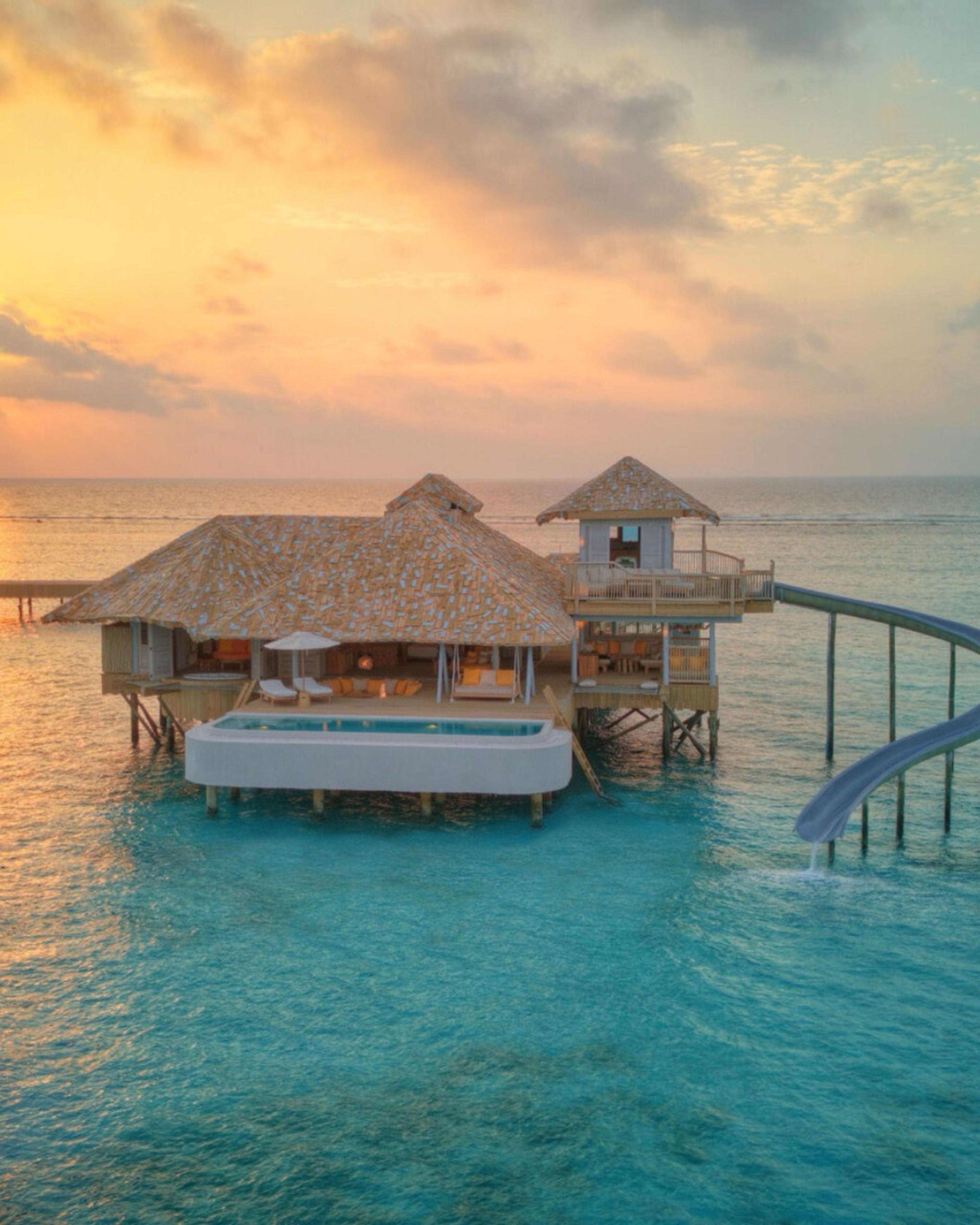
In the Ethical & Sustainable category, properties such as Grootbos Private Nature Reserve in South Africa and Soneva Secret in the Maldives showed that ambitious environmental commitments and ultra-luxury hospitality can increasingly support one another.
Discovery Gems, including Arctic Bath in Sweden and Les Sources de Vougeot in France, highlighted the growing appeal of highly localised destinations built around distinctive and immersive experiences.