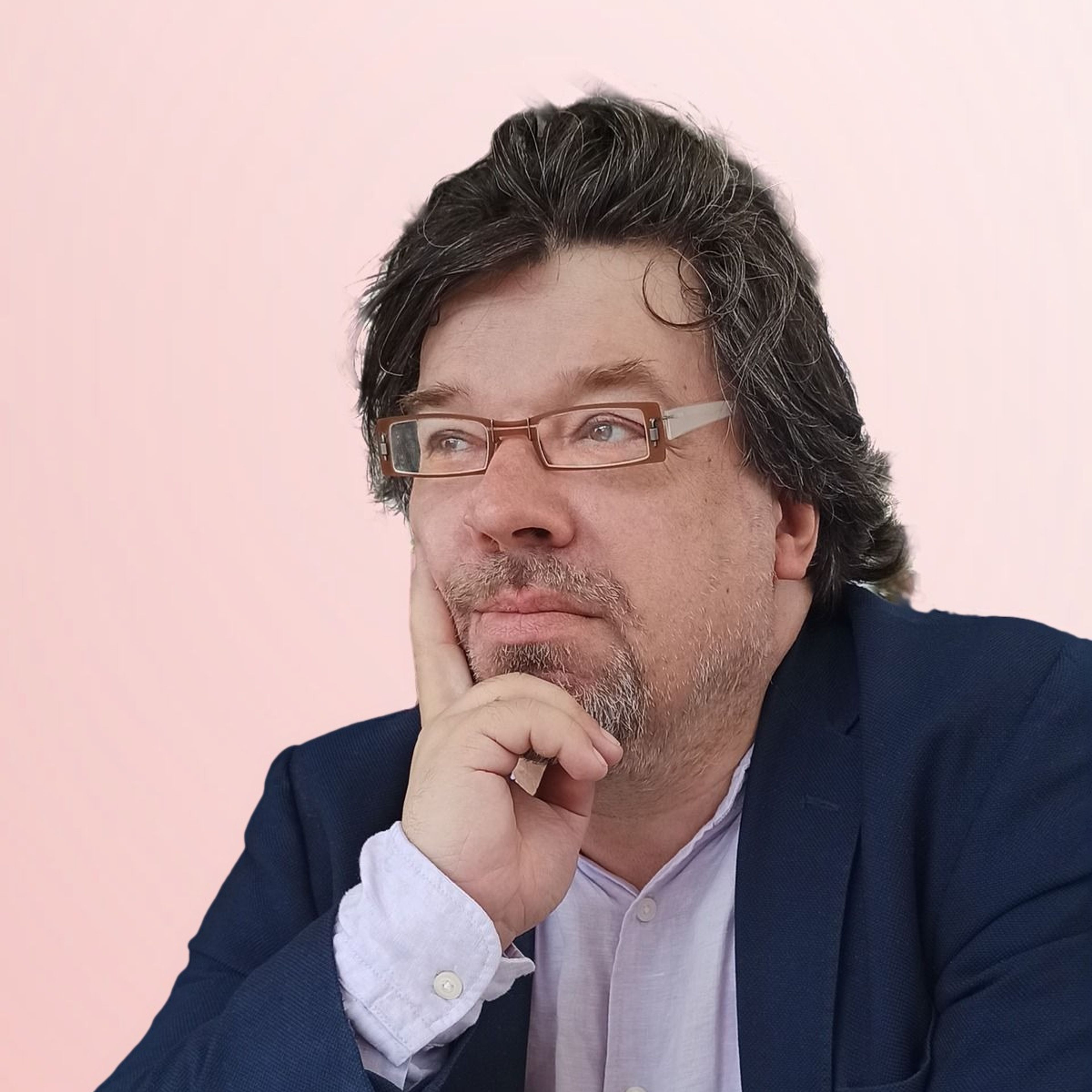
Lung King Heen: Chan Yan Tak and the basket of dim sum
Lung King Heen, Four Seasons Hotel Hong Kong
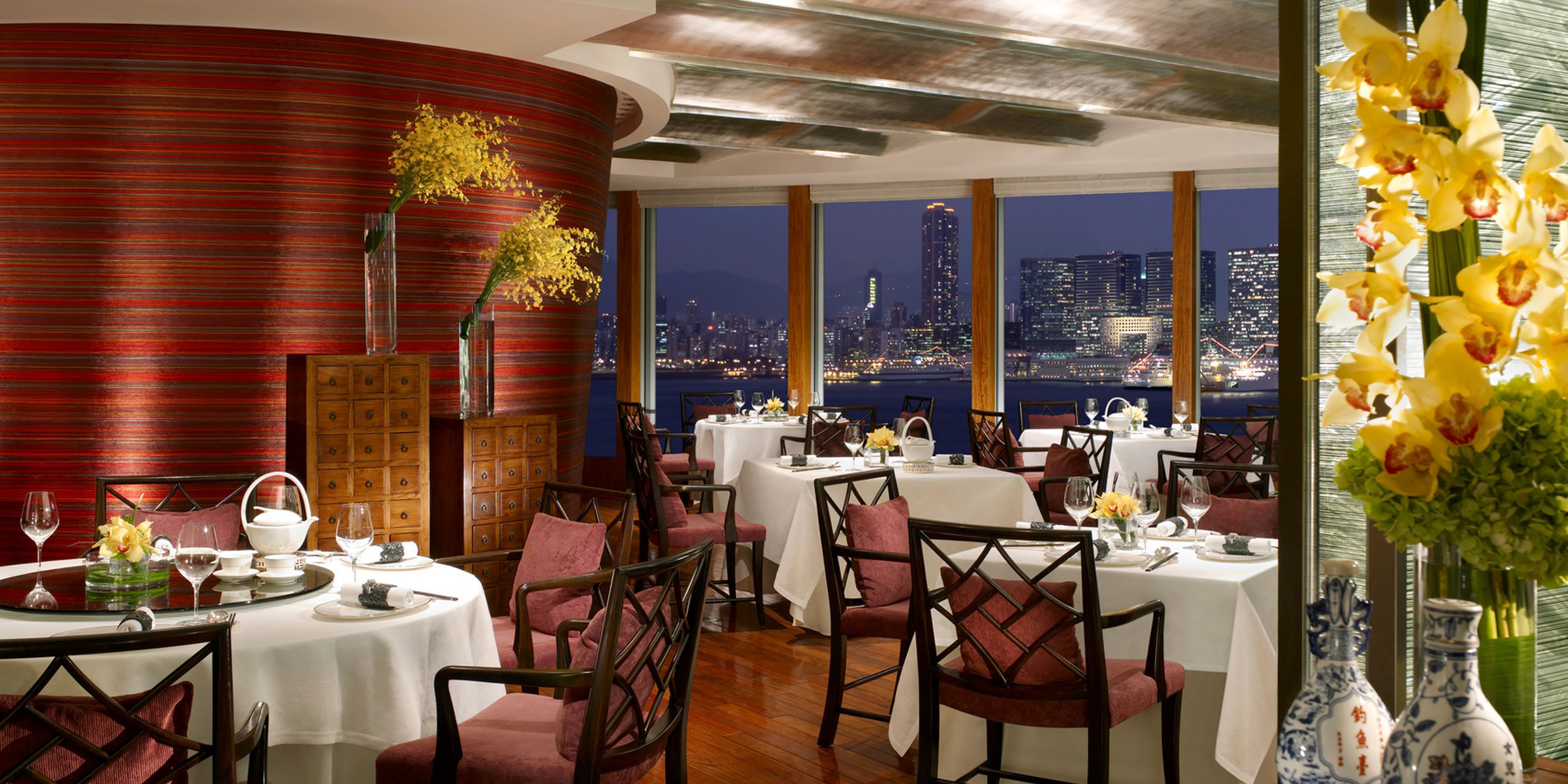
"Lung King Heen is named after the view of Kowloon," says Chan Yan Tak, looking out of the window. Kowloon means nine dragons; the restaurant's name means view of the dragon. The room is on the fourth floor of the Four Seasons, and its windows look across Victoria Harbour to Kowloon, where he was born. Inside, silver and glass pick up the light of the skyline. In the private room, murals, a low crystal chandelier and a silver-gilded ceiling are arranged for good feng shui.
At lunch the bamboo baskets arrive closed and are opened only at the table, so that the steam rises in front of the guest. Chan has a saying for it, which his cooks hear every day: 一熱遮三醜, heat hides three flaws. A hot dish forgives its small faults; a lukewarm one shows them all. "Even when we cook for five hundred," he says, "I want every plate to arrive like a basket of dim sum: hot."
The plate
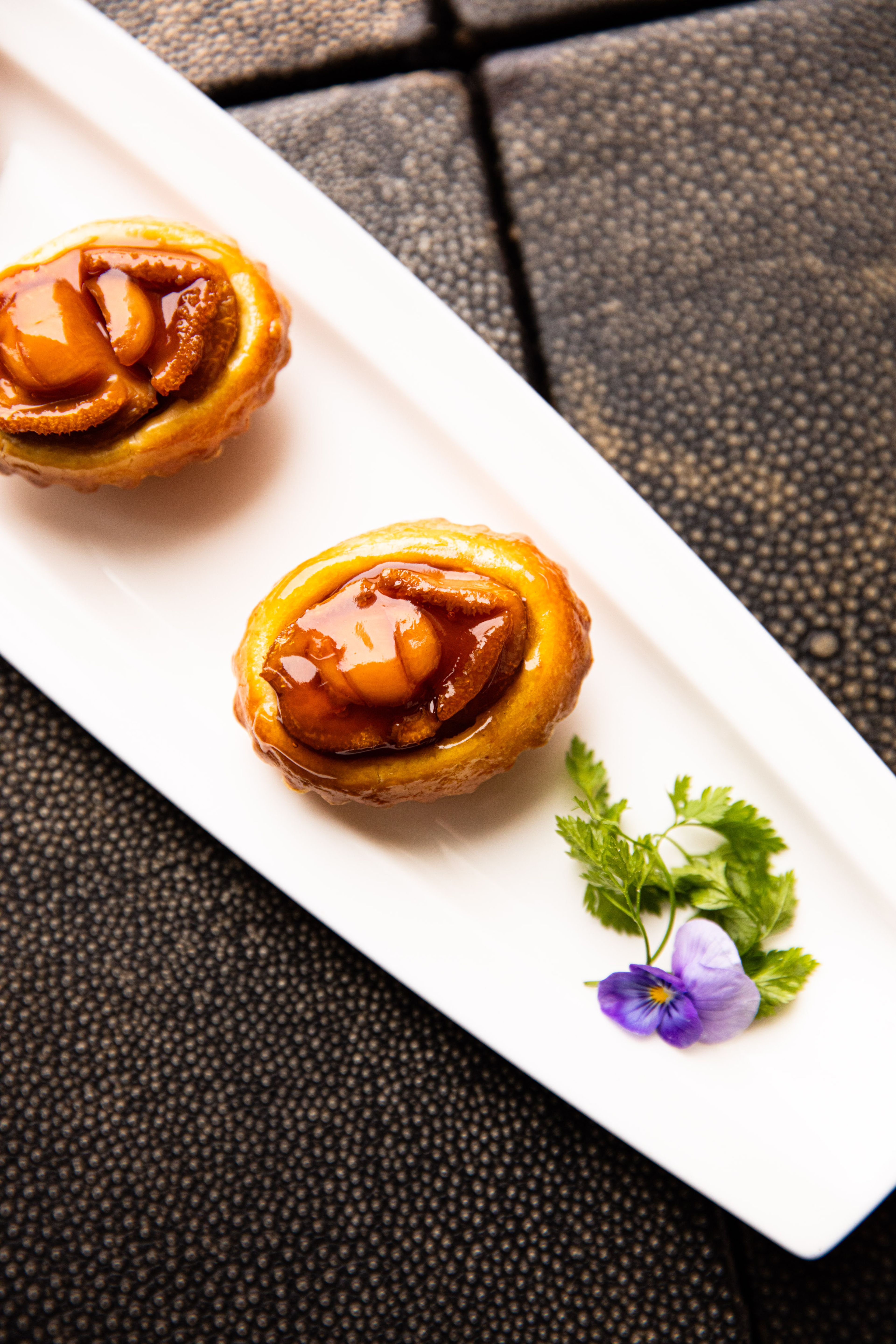
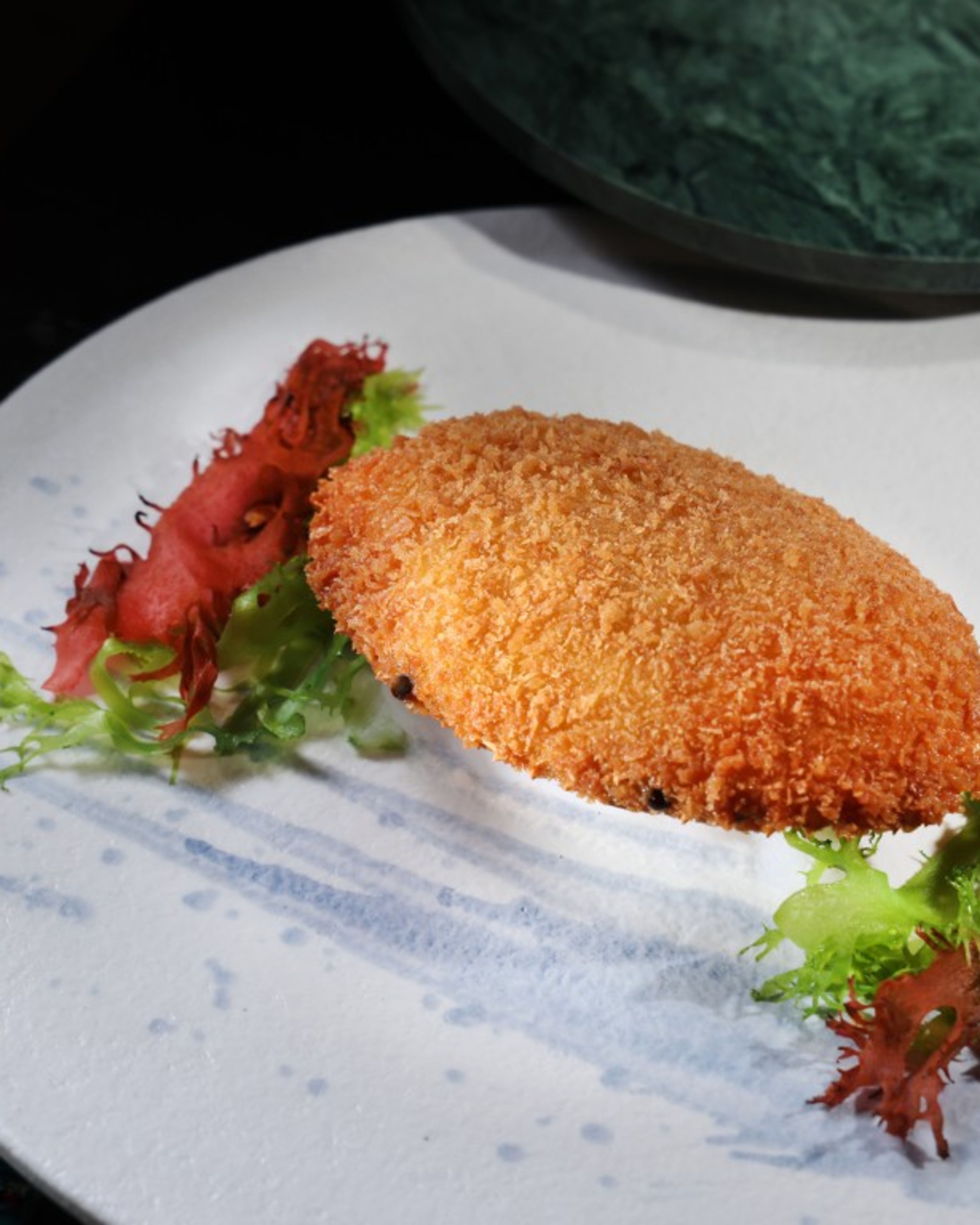
The best-known dish began with a question. At Cantonese weddings, families give a pastry shaped like an abalone that contains no abalone. Chan asked why not. The hotel had asked him for a dim sum that was filling and affordable; he found small abalone, tested the recipe the same night and put it on the menu. Each abalone is braised for four to five hours in a stock of pork ribs, old hen, ham, ginger, spring onion, pork skin and chicken feet, finished with oyster sauce and never salted, then sealed with diced chicken in puff pastry. It is scored into three, to be eaten in three bites. Where tradition braises abalone in an oyster-sauce gravy, he prefers the concentrated chicken stock.
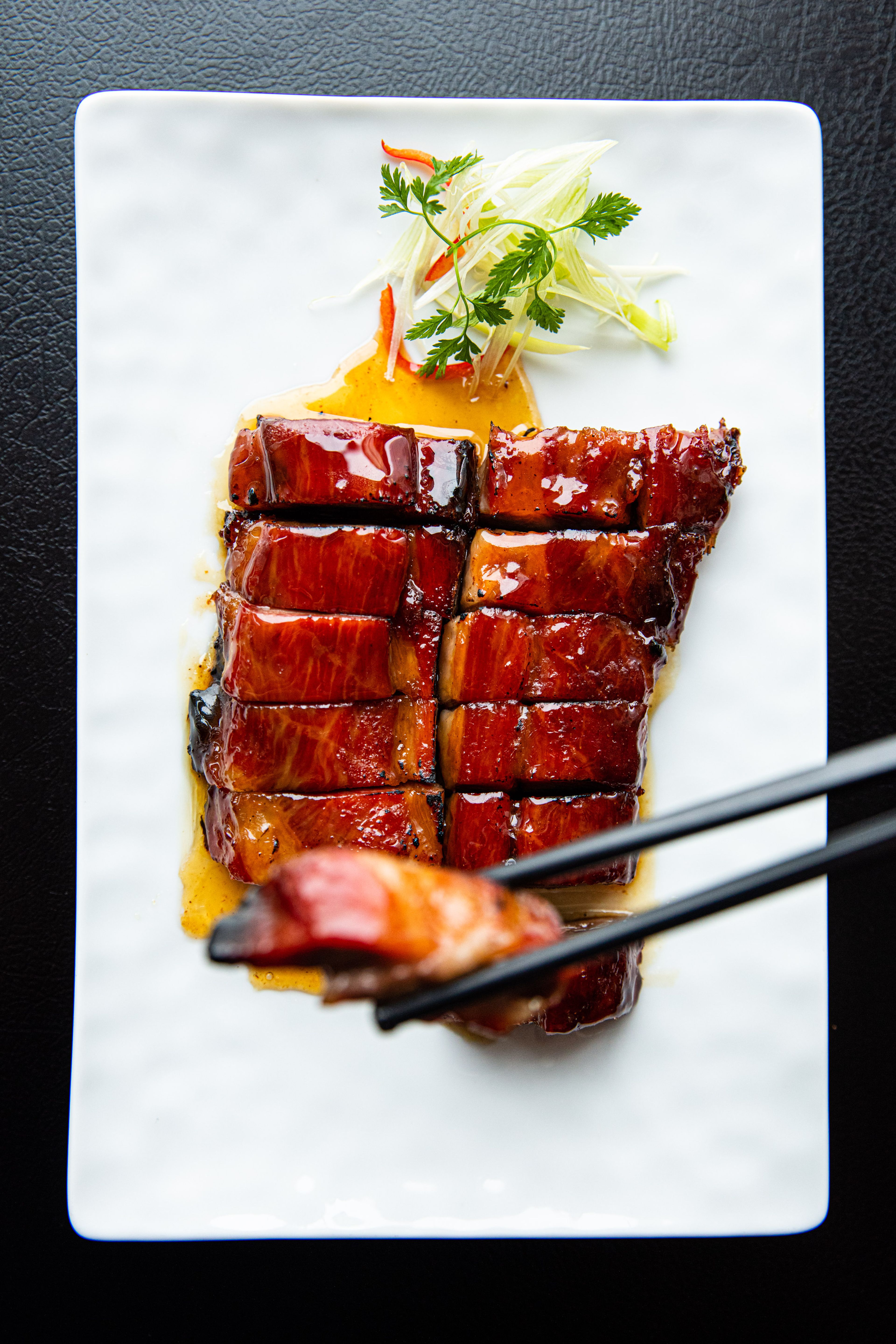
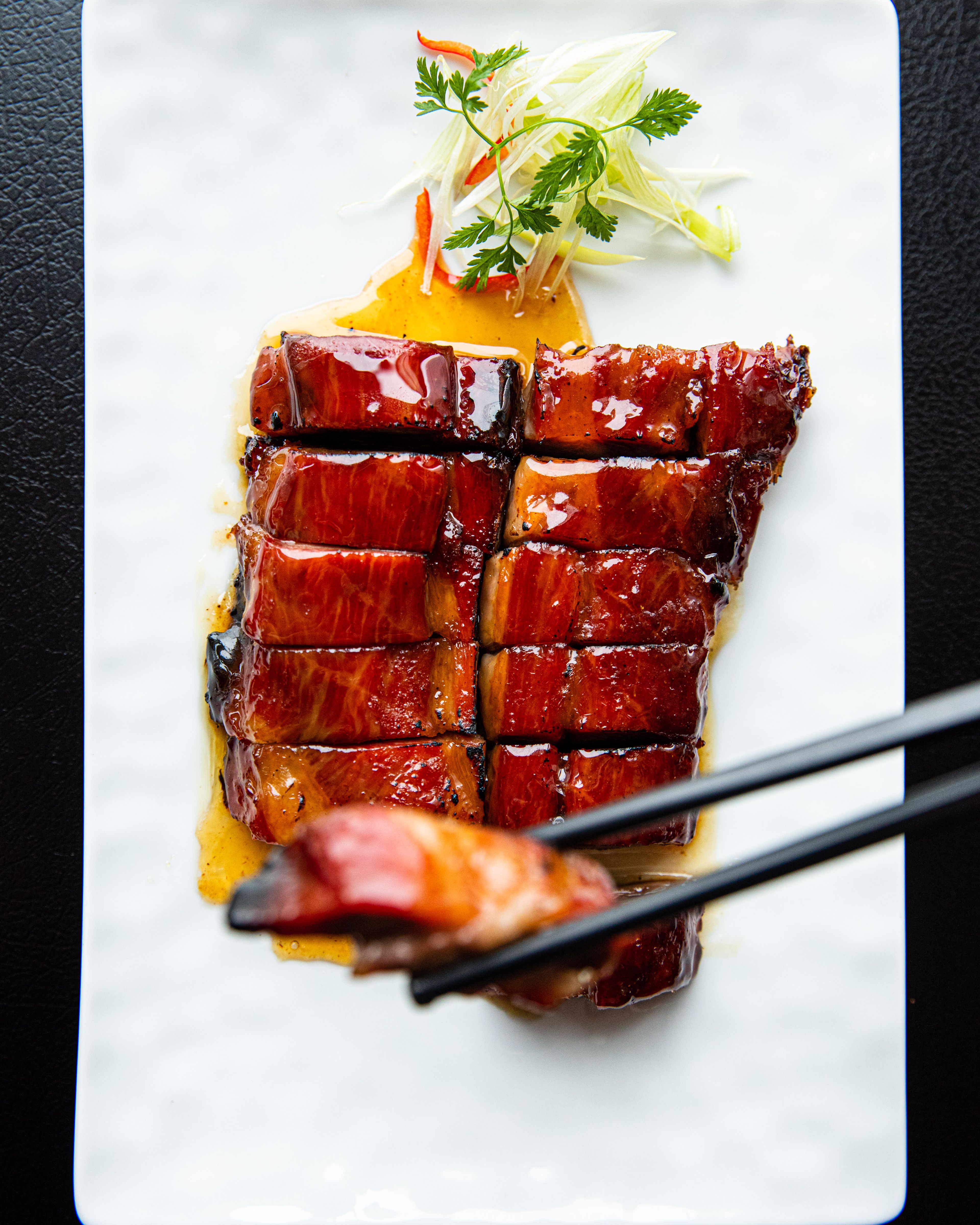
The pineapple bun is filled with barbecued pork from Kagoshima, packed so that no hollow is left inside, and topped with pine nuts. The star garoupa dumplings are shaped like small fish and filled with wild grouper, water chestnut and shrimp roe. Chan will not use farmed fish for them: wild and farmed fish need different handling, and cost different prices. The crab-roe siu mai is made with hand-chopped Kagoshima pork; the crispy taro dumpling holds a whole abalone and roast goose.
In the evening the menu turns to the banquet: Peking duck, barbecued suckling pig, steamed grouper fillet with ginger and spring onion, a superior double-boiled soup with shredded chicken. One dish came with him from his earlier kitchen: crispy scallops with fresh pear, created in 1984. He tried the scallops with apple, banana, mango and pear. He preferred the banana; his cooks voted for the pear, and the pear stayed. He insists on scallops from South Australia, and when their supply stopped, he planned to take the dish off rather than change them.
He spends his time on ingredients. He tasted more than thirty soy sauces before choosing one. He serves only freshly killed chicken; when bird flu stopped the sale of live poultry in Hong Kong, he did not switch to chilled birds but rewrote the menu with beef. "The worst would be a banquet host who thinks chilled chicken is fine," he says, "while his guests shake their heads." Asked why his bitter melon with egg tastes different from a home cook's, he gives three reasons: bitter melon from Okinawa, eggs from Japan, and enough fire. His rule is short. "For a while, cooking leaned towards show without substance. It should go the other way: substance without show."
The kitchen is Cantonese and stays Cantonese. It also carries the Hong Kong hotel habit of borrowing from the West: foie gras, black truffle, scallop puffs with avocado in a cream sauce, and a "fried rice" made with orzo, which Chan thought of after an airline served him pasta shaped like rice. The borrowings go into the wok and the steamer like everything else.
Three kitchens
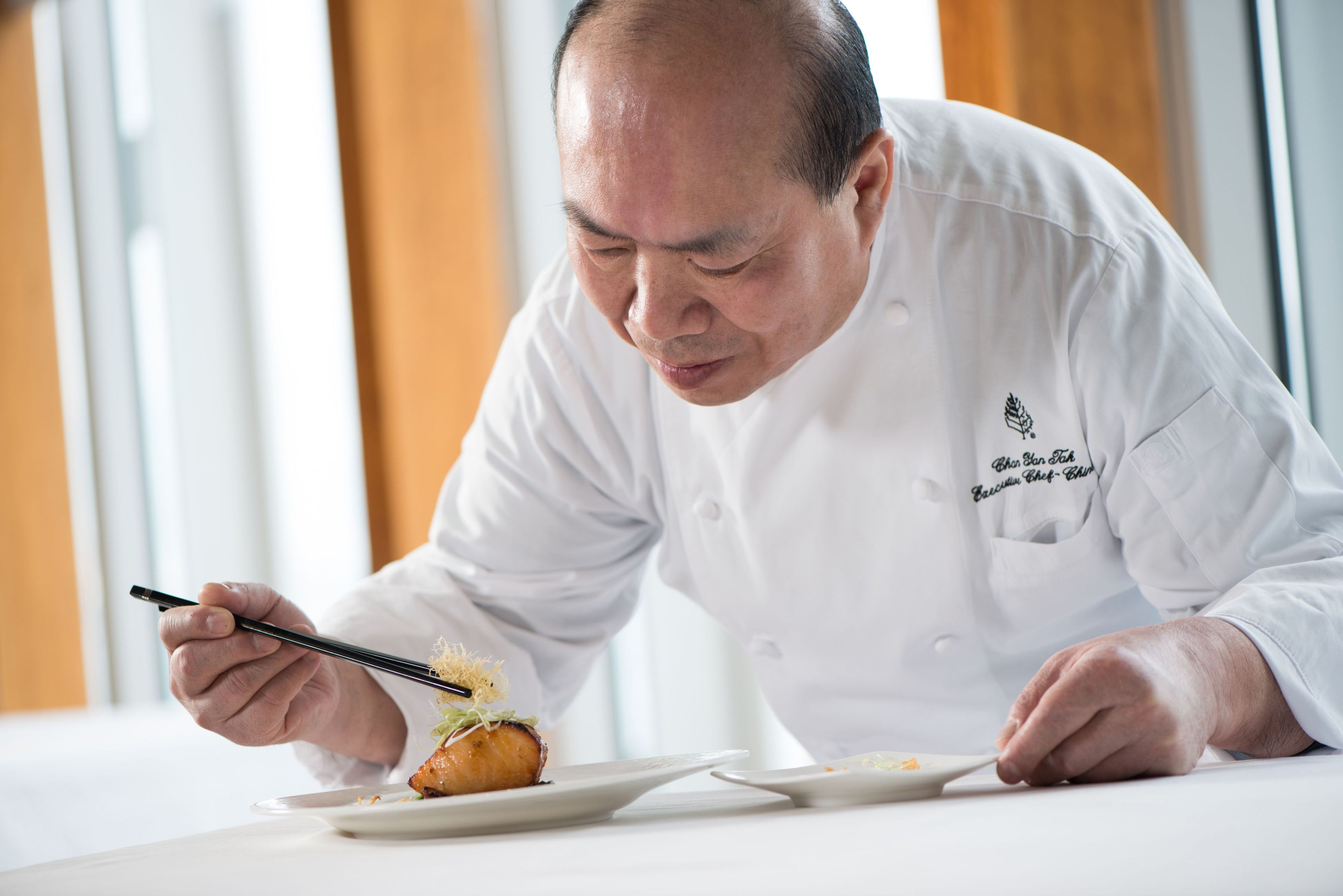
Behind the room are three kitchens. Upstairs, the dim sum kitchen pleats some 5,000 pieces a week; by half past two at lunch, more than 600 have gone out, in ten varieties. Downstairs, the barbecue kitchen roasts about fifty suckling pigs and seventy Peking ducks a week. A banquet kitchen cooks for up to 600 guests. Many of his cooks have worked beside him for twenty or thirty years; some came with him from his previous kitchen. After service they eat supper together, and he shares with them the tips that guests give him.
He rarely leaves. He comes in on his days off, because some guests ask whether he is there before they book. "Losing a table is easy," he says. "Keeping a table is very hard." He does not eat out to see what others are cooking. Asked why, he answered: "No money!" More seriously: "I don't want to copy, or have other people's dishes in my head." Versions of his dishes appear across Hong Kong; they cannot be the same, he says, because the ingredients are not. One former cook, Mak Kwai Pui, went on to found his own dim sum business, Tim Ho Wan.
The boy with the basket
Chan Yan Tak was born in Kowloon, the eldest of five children. "We couldn't afford elaborate feasts," he remembers. "At most we would eat chicken." His father died when he was eleven; his mother cleaned offices. After primary school he went to work. At fourteen he was selling dim sum from a large basket, table to table, in a teahouse near home.
A friend found him a kitchen job at Dai Sam Yuen on Hennessy Road in Wan Chai, a restaurant that gave its apprentices a bed and meals. He was too young to be trusted with a knife; he plucked chickens and washed vegetables. Later he carried stoves and ingredients to banquets in clients' homes, then carried the dirty dishes and chopsticks back to wash them. The days lasted fourteen hours. There was no night bus, so he slept in the restaurant and took the ferry home to Kowloon once or twice a month, on payday. "We didn't know it was tough," he says. "We were all in the same situation."
For a while he left the restaurants for a civil-service post, teaching cooking to young offenders so that they could find work on release. He chose it, he says, because it was stable. He came back to the stoves, cooked at Fook Lam Moon, and in 1984 joined the team that opened Lai Ching Heen at the Regent Hotel in Tsim Sha Tsui, as sous-chef. A year later he ran its kitchen, and stayed for some fifteen years.
The return
Then his wife died, and he stopped cooking to bring up their children. For about four years he stayed away from kitchens. The general manager of the Four Seasons came to persuade him. "I had never thought of going back to the trade," Chan says. "But when I understood that we could work together, I reconsidered." He brought former colleagues with him to build the brigade of Lung King Heen. "I like being around people," he explains.
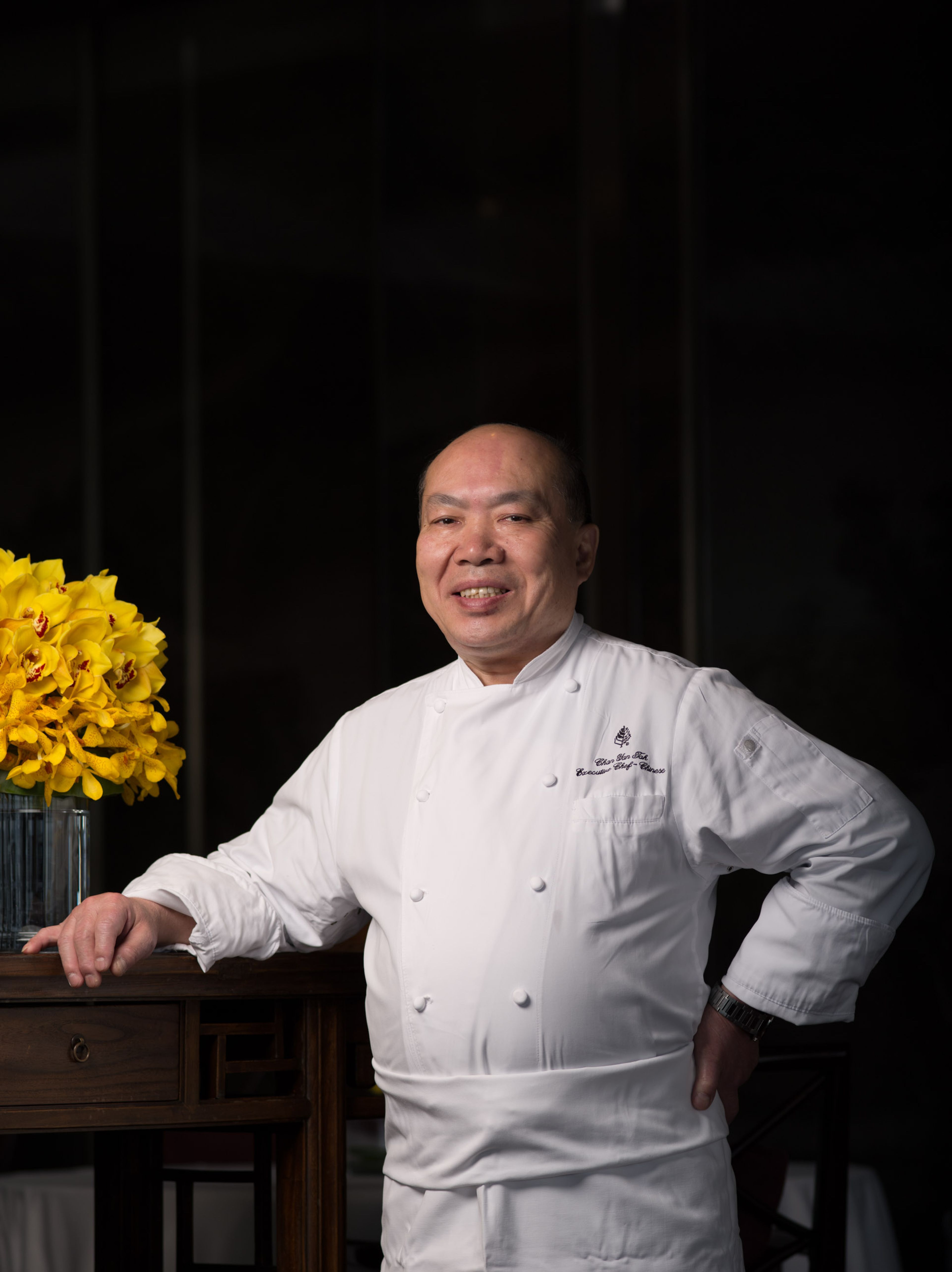
He learned his English from records, Elvis Presley, Simon and Garfunkel, ABBA, Tom Jones, the Bee Gees, and from American films, and still plays them. Of the honours that came later, he says they belong to the team; keeping the house as it is, he adds, is good enough. When a Hong Kong journalist called him humble, he corrected him: not humble, just someone whose road has been rough.
A hotel kitchen
Lung King Heen belongs to the hotel. The Four Seasons Hong Kong was built by the developers of the International Finance Centre, Sun Hung Kai Properties, Henderson Land and Towngas, and is run by the Four Seasons group. There is no owner-chef and no family name over the door. The continuity comes from the chef and his brigade: the same man has led the kitchen since the first day.
Lung King Heen shared first place in the world in LaListe 2024, 2025, 2026 and 2027.
The boy who carried dim sum from table to table now sends some 5,000 pieces a week out of his kitchen. The baskets still arrive closed, and they are still hot.
 96.0
 99.5